No-code web development
EditBuilding functional web apps, marketplaces, and tools without writing production code — the fastest path from idea to validated product in 2026.
What this skill unlocks
No-code lets you ship a real, paying product 6-12 months earlier than learning to code from scratch. For TierIncome readers, that means: validated demand → revenue → either hire a developer to scale OR continue iterating on no-code as long as it holds.
The economic reality: no-code tools handle 90% of what most validated MVPs need. Stripe billing, user auth, dashboards, simple workflows — all native in Bubble/Webflow/Softr. The 10% that requires custom code (high-throughput, complex algorithms, integrations beyond Zapier) can be added later via developer hires or by migrating to traditional stack once revenue justifies it.
The AI-amplified version of this skill in 2026: Claude Code or Cursor can scaffold “real” code MVPs as fast as no-code, but with infinite scaling. The choice is between:
- No-code (Bubble/Webflow/Softr) — slower at scale, faster to learn, lower per-month cost initially
- AI-assisted code (Cursor + Next.js + Stripe) — steeper learning curve, scales infinitely, requires more deployment knowledge
For the next 12 months: pick whichever maps to your existing skills. Both ship working products.
What “competent” looks like
You’re competent when you can:
- Ship a landing page in 4 hours (Webflow free tier, Carrd, or Framer).
- Build a database-backed app with auth + Stripe in 3-7 days (Bubble or Softr).
- Replace 3 SaaS tools with a custom no-code dashboard (Airtable + Softr).
- Integrate services via Zapier/Make/n8n without trial-and-error wasting hours.
- Decide when no-code stops being the right choice — recognize when traditional code becomes warranted (typically 1K+ MAU at SaaS, 100+ orders/day at marketplace).
Steps 1-2 take 20-40 hours. Steps 3-5 require shipping real products under pressure.
How to actually practice
The trap: tutorials forever, never ship. The pattern that works:
- Pick a tool stack based on what you’re building (marketplace → Sharetribe; SaaS → Bubble; landing/CMS → Webflow). Don’t research tools for 6 weeks.
- Pick a deadline — 30 days to publish something usable.
- Skip the academy. Use docs as you hit problems. Ship-first, polish-later.
- Show real users. Get 5 real people to try the thing in week 4. Real-world friction beats every tutorial.
- Iterate for 60 more days based on what real users actually do.
90 days from “I want to learn no-code” to “I have a paying product” is realistic if you ship through the boredom.
Where to apply it on TierIncome
- Niche marketplace — Sharetribe MVP in 30 days replaces months of dev.
- Browser extension SaaS — landing page, Stripe billing, user dashboard all no-code-able.
- Sell digital products on Gumroad — Notion templates, Airtable trackers, dashboards all no-code-built.
- Productized Service Agency — your own portfolio site + client portal.
- Solo Consulting / Freelancing — most senior freelancers’ personal sites are no-code in 2026.
Honest realities
- No-code “lock-in” is real. Migrating off Bubble/Webflow at scale is a 3-6 month rebuild. Pick tools you can live with for 12-24 months.
- AI is collapsing the no-code/code gap. With Cursor + Claude, a non-coder can ship Next.js + Stripe + Postgres apps in 2-3 weeks of effort. No-code’s main advantage (ship fast) is shrinking.
- Performance ceilings are real. Bubble apps slow down at 100K+ rows in main tables. Webflow CMS has 10K item limits. Plan migration paths early.
- No-code communities oversell. Watch the “I built a $50K MRR no-code SaaS” videos with skepticism — most successful no-code apps eventually rebuild parts in code.
If you ship one validated no-code product in 90 days + maintain it for 6 months, you’ve outpaced 95% of would-be no-code builders. The skill compounds when you accumulate 3-5 working products — pattern recognition starts kicking in for what’s worth building.
Where to learn it
The resources we'd actually use, sorted by type. Affiliate links are tracked through /go/[slug].
Courses (3)
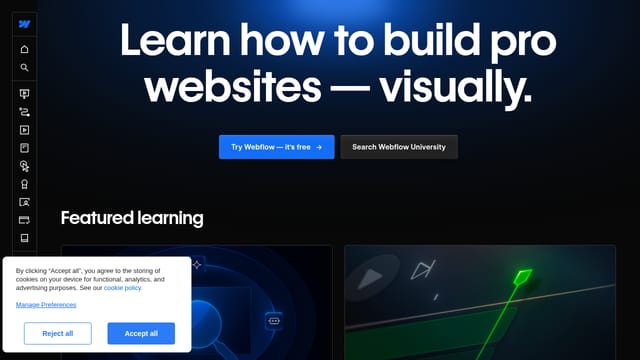
Webflow University
FreeThe single best free no-code curriculum on the internet. Covers responsive design, CMS, e-commerce, animations. Even if you switch tools later, Webflow's mental model translates.
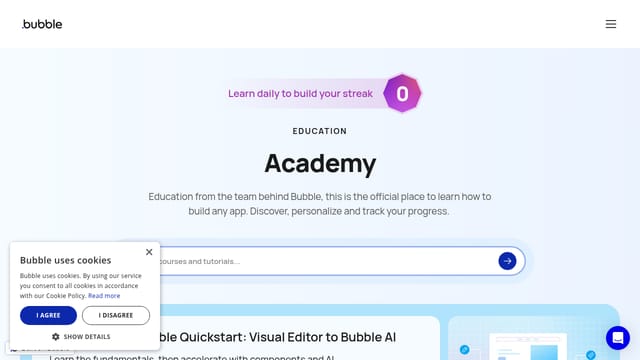
Bubble Bootcamp
FreeBubble's free academy. More app-focused than Webflow (database, workflows, conditional logic). Steeper curve but builds fully functional web apps without writing code.
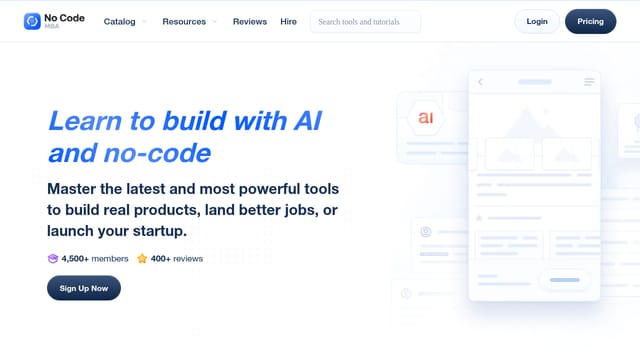
No Code MBA
PaidCohort-based. Project-led curriculum (build a marketplace, build a Notion-based course platform, etc). Specifically about shipping products that pay back.
Communitys (2)
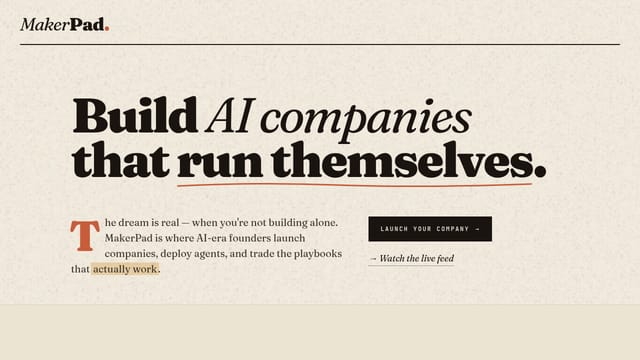
Largest no-code community. Specific build tutorials (Airtable + Zapier marketplaces, Notion-based SaaS, etc). Free content is solid; paid membership unlocks deeper case studies.

r/nocode is launch + tactic discussion; IH has revenue case studies of working no-code businesses. Filter for posts with $1K+ MRR — that's where signal lives.
Tools (5)
Niche tool — but one of the most useful for the marketplace business model. If you're building a two-sided platform, you skip 6 months of custom dev. Free trial available.
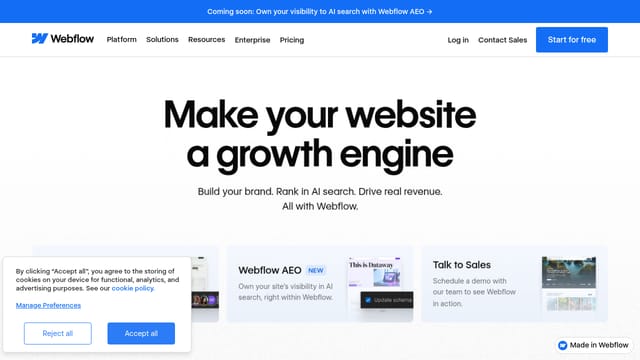
Webflow (the platform)
FreemiumMarketing sites, blogs, simple CMS-driven pages. The free tier covers MVP testing entirely. Most freelancers in 2026 charging $3-15K for sites build on Webflow under the hood.
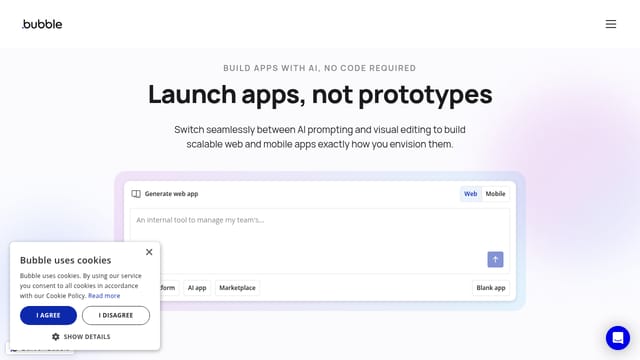
Bubble (the platform)
FreemiumFull SaaS apps without code. The free tier is enough for development; paid plans for production. The platform creators on this site use to ship their SaaS-as-side-project ideas.
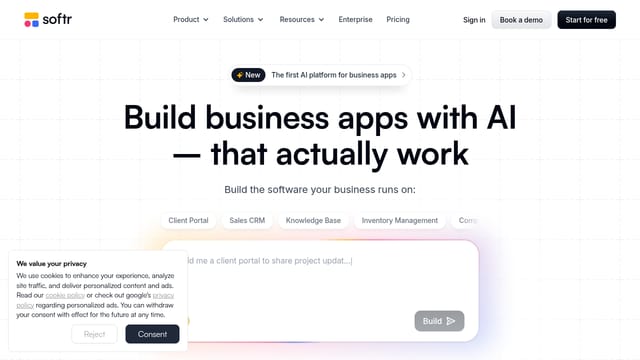
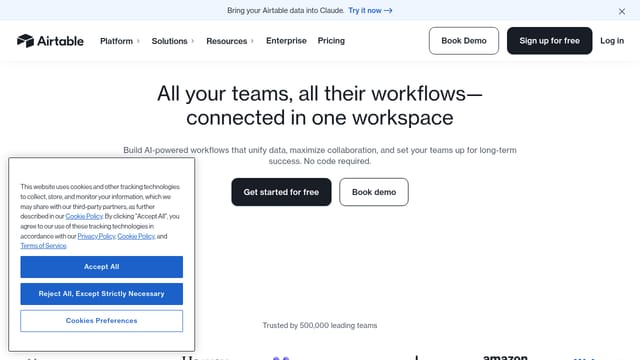
Airtable + Zapier
FreemiumDatabase + automation duo that powers many no-code SaaS products. Read Makerpad's case studies — most successful no-code SaaS use Airtable as backend in some form.