Basic graphic design
EditProducing clean, on-brand visuals — covers, thumbnails, social posts, product mockups — without hiring a designer or producing AI-slop.
What this skill unlocks
You don’t need to become a designer. You need enough design literacy to stop producing visuals that signal low quality. This is a small but high-leverage skill: better book covers sell more on Amazon KDP, better t-shirt designs sell more on Merch by Amazon, better thumbnails get more YouTube clicks, better product mockups sell more digital products on Gumroad.
The economic reality: hiring a designer for a single book cover, podcast cover, or social-post template runs $50-500. Doing it yourself in Canva after 30 hours of practice gets you to 80% of the quality at 0% of the per-asset cost. The ROI on this skill is asymmetric.
The trap: “design is taste, you either have it or you don’t.” Untrue. Design literacy is rules + reps. The book Refactoring UI alone gives you the rules; 50 deliberate reps gives you the eye.
What “competent” looks like
You’re competent when you can:
- Pick a font pair that doesn’t fight (sans-serif body + slightly contrasted display).
- Build a 3-color palette that’s accessible (WCAG-compliant) and on-brand.
- Set type hierarchy — h1, h2, body, captions — so the eye knows what to read first.
- Mock up a product (book cover, t-shirt design, thumbnail) at platform-correct specs.
- Diagnose why a design feels off (usually: spacing, contrast, or hierarchy — rarely color).
Steps 1-3 take ~15 hours after reading Refactoring UI. Steps 4-5 take 30+ hours of shipping real designs.
How to actually practice
The trap is studying design forever without producing. The pattern that works:
- Read Refactoring UI in one weekend. Take notes.
- Pick a single output (e.g., book covers, YouTube thumbnails, Instagram carousels). Resist polymath urges.
- Ship 30 of them, on platform, publicly. Even if for fake brands.
- Post a few in r/Design_Critiques. Eat the feedback. Apply.
- Compare your design #1 to design #30. The visible improvement IS the practice working.
The fastest improvement comes from specific narrow practice. “Design 30 book covers in [genre]” produces better designers than “learn graphic design for 6 months.”
Where to apply it on TierIncome
- Kindle Direct Publishing (KDP) — book covers are pure copy + design.
- T-shirt Printing (POD) — designs ARE the entire business.
- YouTube AdSense (Niche Channel) — thumbnails are the click engine.
- Sell digital products on Gumroad — covers + mockups directly drive conversion rates (1-2% vs 4-6%).
- Stock photography licensing — composition + color literacy raise per-image earnings.
- Niche affiliate sites — featured images + custom infographics outperform stock.
Honest realities
- Canva templates ≠ original design. Canva at the basic level produces visibly templated work. Pro-tier custom layouts + Refactoring UI principles produces work indistinguishable from agency.
- AI imagery (Midjourney) is 40% of the answer. The other 60% is composition, type, and decision-making — which AI can’t do for you yet. Use Midjourney for raw assets, finish in Photopea or Figma.
- “Bad design” reads as untrustworthy. Reader trust on affiliate sites + Gumroad pages drops dramatically with bad covers. The conversion delta from improving design from “amateur” to “competent” is 2-3× larger than most copy improvements.
- Industry-specific conventions matter. A romance novel cover follows different rules than a business book cover. Study the top 50 in your specific niche before designing.
If you read Refactoring UI + ship 30 designs in a single output category over 60 days, you’ll outpace 90% of solopreneurs who never build this skill. Most just hire it out. Owning the skill compounds — every product launch from then on is faster, cheaper, and more on-brand.
Where to learn it
The resources we'd actually use, sorted by type. Affiliate links are tracked through /go/[slug].
Courses (3)
Canva Design School
FreeCanva's free curriculum. Covers fundamentals using Canva specifically. Limited but solid 0-to-competent intro for non-designers.
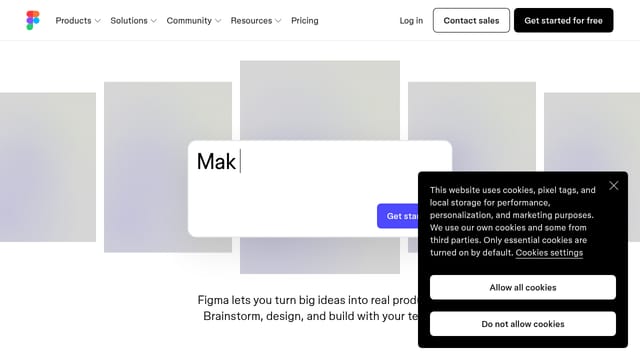
Figma's free courses
FreeFigma's official tutorials. More technical than Canva (auto-layout, components, design tokens). Worth learning even if your day-to-day is Canva — Figma is the industry standard for working with developers.
Project-based intermediate classes from working designers. Aaron Draplin's logo design class is the single best $32 you can spend on identity work. Cancel after one month if needed.
Books (1)
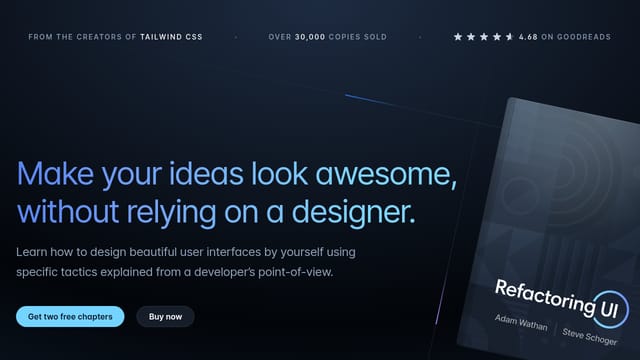
The single best book on visual design for non-designers in 2026. Specific principles (hierarchy, color, type) explained with before/after examples. ROI is immediate — every page you design after reading is better.
Communitys (1)

Specifically r/Design_Critiques where you post your work for feedback. The single fastest way to improve — public criticism stings, but it accelerates the curve.
Tools (5)
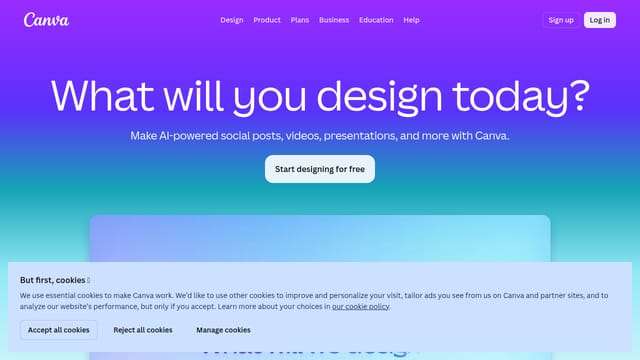
Canva (the tool)
FreemiumDefault non-designer tool in 2026. Free tier covers most creator needs (social posts, simple covers). Pro tier ($13/mo) unlocks brand kit, magic resize, and the AI features. Best ROI of any single creator-economy tool.
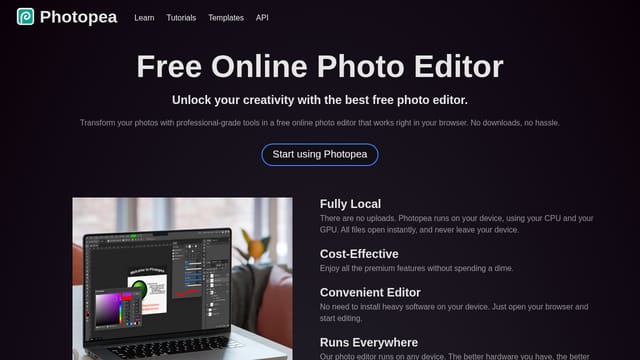
Free in-browser Photoshop alternative. Opens .PSD files. Covers 90% of Photoshop tasks for non-pros. Solid replacement when you don't want $20/mo Adobe subscription.
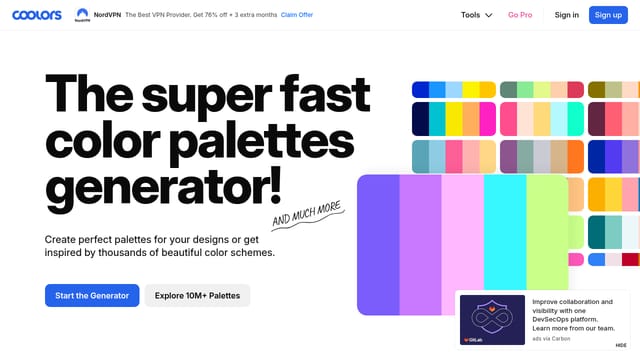
Coolors (color palette generator)
FreemiumGenerate accessible, on-trend palettes in seconds. Save brand-specific palettes. Best free tool for non-designers picking colors that don't feel random.
Free placeholder logos for client mockups, demos, social posts. Saves the 'I need a fake brand for this comp' moment. Tiny but high-leverage.
Apply this skill
Passive income ideas where basic graphic design is in the skill stack.